Pest Control Services for Healthcare Facilities and Clinics

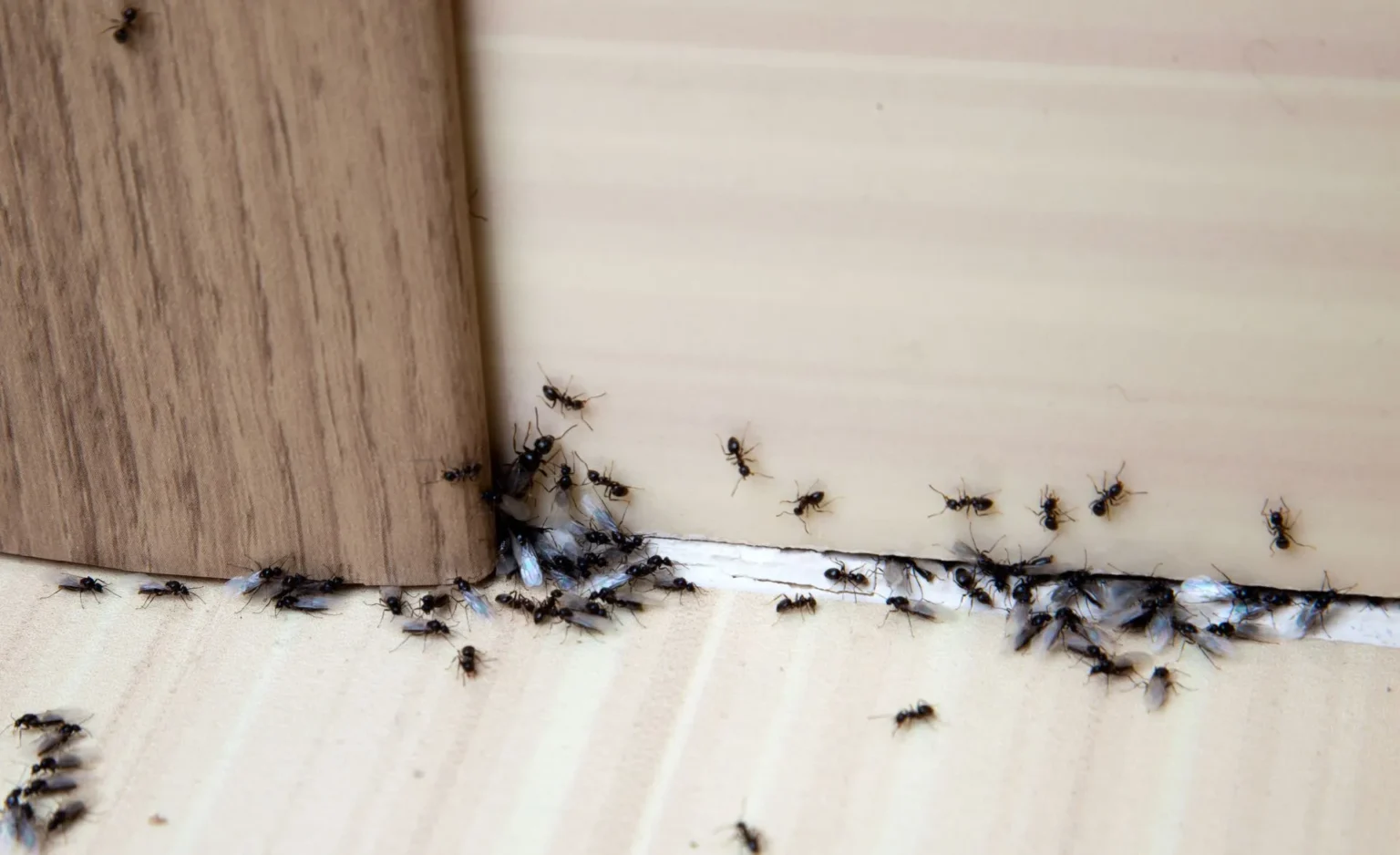

Healthcare buildings ask more of pest control than almost any other environment. A small family clinic, a dialysis center, a surgical suite, a rehabilitation hospital, and a long-term care facility may all sit under the broad label of healthcare, but the risk profile in each setting is different. What they share is simple: patients are vulnerable, staff are busy, inspections are unforgiving, and a pest sighting can quickly become a patient safety issue, a compliance issue, and a reputational problem all at once.
In ordinary commercial settings, a pest problem is often judged by nuisance level and property damage. In healthcare, the threshold is much lower. One cockroach in a medication prep area means more than a complaint. One fruit fly issue near soiled utility can raise questions about sanitation discipline. A few gnaw marks around stored linens can set off concerns about contamination control, inventory loss, and rodent movement near sterile or semi-sterile spaces. The stakes are practical and immediate.
That is why Pest Control Services for healthcare facilities and clinics cannot be treated as an off-the-shelf monthly spray program. Effective service in these buildings is built on prevention, documentation, timing, communication, and a clear understanding of how pests intersect with infection control, environmental services, facilities management, and regulatory expectations.
Why healthcare environments attract pests despite strict cleaning
People sometimes assume hospitals and clinics should be naturally resistant to pests because they are cleaned constantly. In practice, the opposite can be true. Healthcare buildings create reliable sources of food, moisture, warmth, shelter, and traffic. Add a large footprint, aging infrastructure, delivery volume, and around-the-clock operations, and the environment becomes more complex than many restaurants or office buildings.
Moisture is the biggest driver in many facilities. Floor drains, condensate lines, mechanical rooms, ice machines, janitor closets, handwashing sinks, eyewash stations, and sterilization equipment all create damp conditions. Even well-maintained buildings can develop unnoticed leaks above ceilings or behind millwork. Pests do not need much. A pinhole leak under a sink can support cockroaches for months before anyone sees evidence.
Food is another factor, and not just in cafeterias. Staff break rooms, nourishment stations, vending areas, patient snacks, dietary carts, and forgotten items in lockers create scattered feeding points. In one outpatient building I worked in, the recurring ant issue was not tied to the public waiting area everyone suspected. It came from individually wrapped crackers stored in a nurse station drawer near a tiny plumbing seep. The pests followed the moisture first and the food second.
Healthcare facilities also offer excellent harborage. Wall voids, cable penetrations, utility chases, expansion joints, dropped ceilings, storage rooms, and underused offices let pests move unseen. Clinics located in mixed-use plazas face an extra challenge because they may share walls with restaurants, salons, or retail units. In those cases, even a clean clinic can inherit a pest migration problem from next door.
The pests that matter most in clinics and medical buildings
The most common healthcare pests are usually rodents, cockroaches, ants, flies, and occasional stored product pests. Bed bugs deserve special mention in hospitals, emergency departments, ambulance intake zones, behavioral health units, and long-term care settings because they often arrive with people rather than from structural infestation. Birds may also become an issue at entrances, loading docks, rooftop mechanical zones, and covered parking structures.
Cockroaches remain one of the most serious concerns because of their ability to spread microorganisms mechanically and because their allergens can worsen respiratory issues. German cockroaches, in particular, exploit warm equipment, sink cabinets, break areas, and cluttered storage. They reproduce quickly, and once they establish in a multi-room environment, they are difficult to eliminate without a disciplined, coordinated approach.
Rodents present a different category of risk. Beyond contamination through droppings and urine, mice can damage wiring, insulation, and stored goods. Their small body size allows them to exploit structural gaps that look insignificant to the human eye. I have seen active mouse routes created by a quarter-inch gap under a utility door and by a deteriorated pipe escutcheon in a housekeeping closet. Staff often focus on the place where the rodent was seen, but the real control point is usually where it entered the building envelope or moved between walls.
Flies tell a story about conditions. Drain flies point toward organic buildup and moisture. House flies may suggest waste management or door discipline issues. Fruit flies often trace back to forgotten liquids, floor sink residue, or recycling areas. When flies appear in healthcare settings, treatment alone rarely works. The source must be identified, cleaned, and kept dry.
Ants are sometimes dismissed because they seem minor compared with rodents or roaches. In exam rooms, pharmacies, labs, and infusion suites, they are not minor. They can appear suddenly, travel through tiny cracks, and respond quickly to weather shifts. Proper control depends on species identification. Applying the wrong product in the wrong place can scatter the colony and prolong the issue.
What good Pest Control Services look like in a healthcare setting
A strong healthcare pest control program starts with inspection, not treatment. The technician needs to know the building, understand sensitive areas, and read signs that general commercial service might miss. That means checking sanitation patterns, moisture sources, exclusion gaps, waste handling routes, landscaping pressure, loading dock practices, and service penetration points. It also means learning the building schedule. A pediatric clinic with evening cleaning needs a different service rhythm than a twenty-four-hour urgent care center.
Documentation matters as much as fieldwork. Healthcare administrators, environmental services managers, and accreditation teams expect records that are clear, current, and usable. Service reports should note pest activity, locations, corrective actions, follow-up steps, product usage where applicable, and recommendations that are specific enough to assign. “Improve sanitation” is not a useful recommendation. “Clean syrup residue inside nourishment station base cabinet and repair leak at left drain trap” is.
Communication must be tight. The best programs involve routine coordination between pest management, facilities, housekeeping, infection prevention where relevant, dietary, and department leadership. Many recurring problems survive because the vendor knows one part of the picture and the facility team knows another. When those pieces stay separate, root causes remain untouched.
Timing is another underestimated factor. A large treatment during busy clinic hours can create disruption and concern. A discreet after-hours inspection around patient care zones is often the better fit. In surgical or procedural areas, access may be tightly controlled, and service may need to align with terminal cleaning schedules or planned shutdowns. Good providers adapt to the building. They do not ask the building to adapt to them.
Integrated pest management is the standard, not a buzzword
Integrated pest management, or IPM, is especially well suited to healthcare because it prioritizes prevention, monitoring, exclusion, and targeted intervention over routine broad application. In a medical setting, that is not just a philosophical preference. It is a practical one.
An IPM program asks a few disciplined questions every time activity is found. What pest is present? Why is it here? What supports it? How do we remove those conditions? What is the least disruptive, most effective control method for this exact location? That framework keeps facilities from cycling through repeated treatments while underlying access and sanitation issues remain in place.
In healthcare, IPM also helps align pest control with safety expectations around patients, pharmaceuticals, medical supplies, and air handling. There are areas where pesticide use may be highly restricted or operationally sensitive. A program built around crack-and-crevice treatment, baits, monitoring devices, exclusion repairs, drain remediation, sanitation correction, and structural maintenance is generally more sustainable than one that leans on visible sprays.
That does not mean chemical tools are off the table. It means they must be chosen carefully, placed appropriately, documented thoroughly, and paired with corrective action. If a facility is using product repeatedly in the same spot, month after month, that is often a sign the program is treating symptoms rather than causes.
High-risk zones inside healthcare buildings
Not every room deserves the same level of attention, and one mark of experienced Pest Control Services is knowing where pressure tends to build first. Food service spaces are obvious, but they are only part of the map. Soiled utility rooms, biohazard waste holding rooms, environmental services closets, laundry areas, receiving rooms, loading docks, vending alcoves, staff lounges, records storage, and mechanical rooms all deserve regular scrutiny.
Pharmacies and medication rooms create a different challenge. The goal is not that these rooms are likely to harbor pests in large numbers, but that the tolerance for activity is extremely https://blogfreely.net/thoinsksod/pest-control-services-for-new-construction-and-renovation-projects low. Even incidental pest presence around packaging, shelving, or counters can trigger serious concern. Inspection methods here need to be discreet, controlled, and fully coordinated with department protocols.
Waiting rooms and exam rooms often reveal indirect signs rather than active infestation. A dead ant on a window ledge or a fly near a planter may be the first visible clue of an exterior pressure problem, an entry gap, or a maintenance issue nearby. Front-of-house sightings matter because they affect patient trust immediately. A visitor may never see the loading dock, but they will remember a cockroach near the reception desk.
Long-term care and behavioral health settings bring operational realities that standard office pest control does not account for. Residents may keep snacks in rooms. Personal belongings move in and out frequently. Reporting may be inconsistent because staff focus, appropriately, stays on patient needs first. In those environments, pest management has to be patient, observant, and integrated with caregiving routines.
The compliance dimension
Healthcare facilities live under layered oversight. The exact regulatory structure varies by country, state, facility type, and accrediting body, but the broad expectation is consistent: pest activity must be prevented, identified promptly, corrected effectively, and documented. During inspections, surveyors often look beyond whether a pest was seen. They want to know what the organization did about it, how quickly it responded, whether patterns were tracked, and whether systemic causes were corrected.
This is where mediocre service becomes expensive. A vendor can place traps, change them monthly, and still leave the facility exposed if reports are vague, trend analysis is absent, and recommendations are not actionable. A well-run program creates evidence of control. It shows recurring locations, seasonality, corrective work orders, and closure of open issues. It links pest management to environmental quality and patient safety rather than treating it as an isolated contractor function.
Healthcare leaders should also remember that appearance matters during inspections. Sticky monitors left visible in patient areas, unlabeled devices, unsecured bait placements, or service activity performed carelessly can create as many questions as the pests themselves. Professional execution counts.
Where programs break down
Most persistent healthcare pest problems are not caused by one dramatic failure. They come from several small misses that stack up. A door sweep wears out. A sink line drips slowly behind a cabinet. A cardboard storage habit develops in a supply room. A dumpster lid is left open after pickup. A floor drain dries out on weekends. Nobody sees a crisis in any one item, but pests read the building as a whole.
Common trouble signs include:
- repeated sightings in the same department despite recent service
- service reports that recommend the same corrections month after month
- monitoring devices that are present but not mapped or trended
- gaps around pipes, conduits, and exterior doors that stay unrepaired
- poor coordination between pest control, housekeeping, and maintenance
When I walk a facility with chronic issues, I usually find one management problem hiding inside the pest problem: ownership is unclear. The vendor assumes maintenance will seal openings. Maintenance assumes environmental services will handle sanitation. Department staff assume the vendor will “treat it.” Weeks pass, activity continues, and frustration rises. Effective programs assign each recommendation to a person or team, give it a due date, and verify closure.
Special situations that require judgment
Some healthcare pest issues are straightforward. Others require more nuance than a standard route technician can offer. Bed bugs are a good example. In hospitals and clinics, they are often introduced intermittently rather than breeding widely on site. That changes the response. The facility may need intake protocols, temporary containment procedures, discreet room assessment, and clear guidance for soft goods and environmental cleaning. Overreacting can disrupt operations unnecessarily. Underreacting can spread the problem.
Construction and renovation also change pest pressure dramatically. Dust barriers, wall openings, new utility penetrations, material staging, and altered airflow can wake up dormant activity or create new entry paths. During these periods, the pest control plan should be intensified, not left on autopilot. More frequent inspections around work zones, temporary monitoring, and close coordination with contractors are often necessary.
Weather events can expose weaknesses as well. Heavy rain drives pests indoors. Heat accelerates fly breeding and ant movement. Cold snaps push rodents toward warm structures. A provider who understands local seasonal patterns can help a facility get ahead of these shifts rather than reacting after sightings increase.
Choosing a provider that understands healthcare
Healthcare buyers often compare pest control proposals by price and visit frequency, but those two points tell only a small part of the story. The right provider brings technical skill, careful documentation, discretion, and the ability to work inside a regulated environment without creating disruption.
A useful vetting conversation should cover several points:
- experience in hospitals, ambulatory centers, dental clinics, and long-term care settings
- inspection and reporting methods, including trend analysis and corrective action tracking
- approach to sensitive areas, after-hours access, and coordination with infection control or facilities teams
- licensing, technician training, and escalation support for complex infestations
- expectations for exclusion, sanitation recommendations, and follow-up accountability
Ask to see sample reports. Many look polished until you read them closely. The best ones tell you exactly what was found, where, why it matters, and what happens next. If a provider cannot explain how they handle a mouse sighting near a medication room or a drain fly issue in a procedural area, they may be competent in general commercial service but not ready for healthcare.
The role of facility staff in prevention
Even excellent Pest Control Services cannot succeed without support from the building itself. Healthcare teams do not need to become pest specialists, but they do need practical habits that reduce pressure and improve response time. Quick reporting matters. So does basic evidence preservation. A blurry verbal description of “some kind of bug” is less helpful than a photo, time, location, and note about what was happening nearby.
Storage practices make a measurable difference. Cardboard should not linger in clinical support spaces longer than necessary, especially in humid rooms or areas with known cockroach history. Supplies stored directly on the floor make inspection and cleaning harder. Overpacked closets hide leaks and droppings. Waste handling routines, especially in staff areas, should be disciplined even during busy shifts.
Frontline staff also need reassurance that reporting pests is not an admission of failure. In some buildings, people hesitate to say anything because they fear blame. That delay costs time. The better culture is simple: if you see something, report it early, and let the process work.
What administrators should expect from a mature program
A mature healthcare pest management program should feel steady rather than dramatic. There should be few surprises, clear documentation, visible accountability, and regular review of trends. Sighting data should be examined over time, not just one visit at a time. Corrective recommendations should translate into maintenance and housekeeping actions. Service schedules should match building use. High-risk areas should receive more attention than low-risk ones.
Leaders should also expect transparency. No provider can honestly promise a healthcare building will never see a pest. People, deliveries, weather, and neighboring conditions make that impossible. What a strong provider can promise is a disciplined system for prevention, rapid assessment, targeted response, and continuous improvement.
That distinction matters. The goal is not a marketing claim of perfection. It is operational control.
The cost of doing it halfway
Trying to run a healthcare pest program on the cheapest bid usually shifts cost rather than saving it. Problems linger longer, more staff time is spent on complaints, inspections become stressful, and maintenance issues tied to pest entry or moisture remain unresolved. One highly visible sighting in the wrong area can generate administrative work, patient concern, and internal disruption far out of proportion to the original insect or rodent.
By contrast, thoughtful Pest Control Services often pay for themselves quietly. Fewer emergency callouts. Better inspection readiness. Faster closure of root causes. Less waste. Less reputational risk. A cleaner line of communication between departments. The value is cumulative and often easiest to notice when a facility moves from a reactive program to a managed one.
For healthcare facilities and clinics, that is the standard worth aiming for. Pest control should operate in the background with precision, not in the foreground with surprises. When it is done well, most people never think about it. In a medical setting, that is usually the clearest sign the program is working.
Affordable Pest Solutions LLC
Phone number: +19732299547
FAQ About Pest Control Services
How much does pest control charge?
For a standard 1,500-square-foot home, professional pest control charges generally average $100 to $300 for an initial visit, with ongoing monthly services running $40 to $75 per visit and one-time emergency exterminations costing $100 to $600, depending heavily on the specific pest and the severity of the infestation.
What is the hardest pest to get rid of?
Bed bugs are widely considered the hardest household pest to get rid of, closely followed by German cockroaches and subterranean termites.
What is included in a pest control service?
A standard pest control service includes a property inspection, targeted treatments, and prevention advice. It typically covers common pests like ants, spiders, and cockroaches, using sprays, baits, or traps.